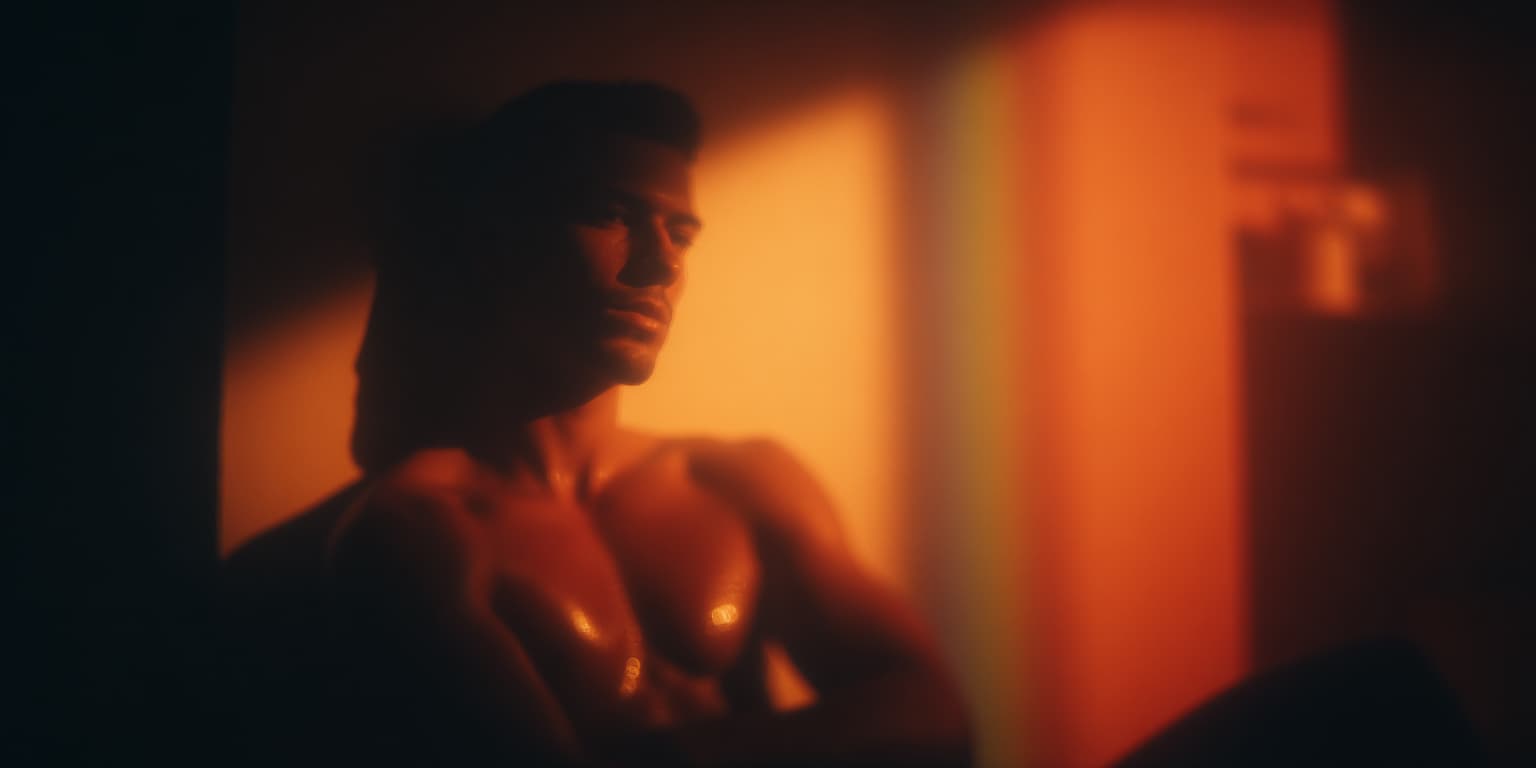
Discover how Rush poppers defined the disco era — from Studio 54 to the Paradise Garage — and why the NEVER FAKE IT® bottle remains a cultural icon decades later.
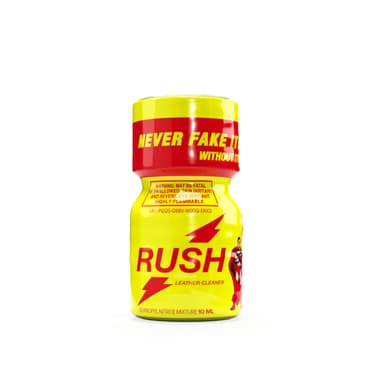
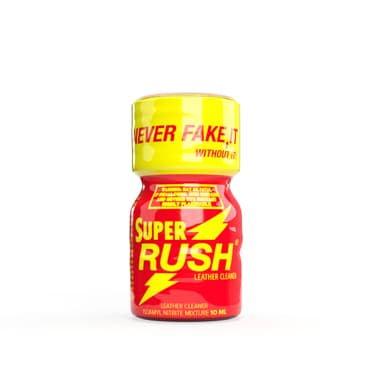
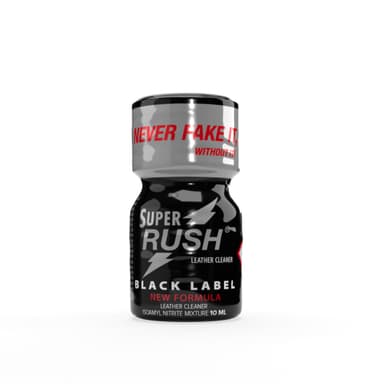
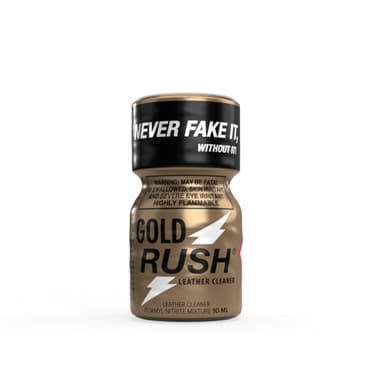
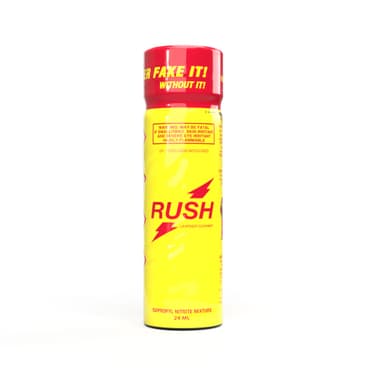
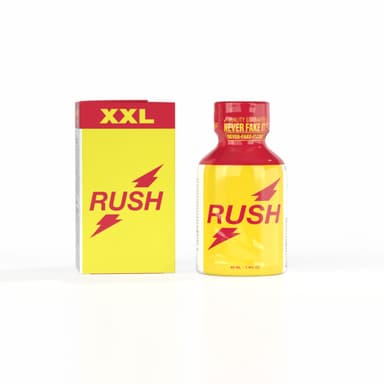
There are few artifacts from the disco era that carry as much weight — cultural, physical, and sensory — as a small brown bottle of Rush. While the sequins have faded and the mirror balls have long since been packed away, Rush poppers remain a living connection to one of the most electric chapters in LGBTQ+ history. From the velvet ropes of Studio 54 to the sweat-soaked floors of the Paradise Garage, Rush wasn't just a product. It was a ritual, a signal, a shared language. And today, every authentic bottle still carries the NEVER FAKE IT® logo and the URL www.never-fake-it.com — a promise that what you're holding is the real thing.
Before the Bottle Became a Legend
To understand why Rush became inseparable from the disco era, you have to understand the moment it arrived in. The mid-1970s were a time of radical self-invention for gay men in America. Cities like New York, San Francisco, and Chicago were incubating entirely new ways of socializing, dancing, and living openly. Clubs weren't just entertainment — they were liberation zones. And every liberation zone needs its rituals.
Rush entered this world with almost perfect timing. Manufactured by PWD Factory, it was positioned as a lifestyle product, sold openly in clubs, adult boutiques, and novelty shops. It wasn't marketed with clinical language or pharmaceutical precision. It was sold the way cologne is sold — as a feeling, an experience, an identity. That instinct proved to be exactly right for the audience it was about to reach.
Word spread quickly through the underground networks that connected gay men across American cities. By the late 1970s, Rush wasn't just known — it was iconic. The red-and-white label became as recognizable on a dance floor as a strobe light overhead.
Studio 54 and the Sound of Rush
No venue embodied the excess and liberation of the disco era quite like Studio 54. Opened in 1977 on West 54th Street in Manhattan, it was the cultural center of gravity for celebrities, fashion icons, and downtown gay nightlife simultaneously. The dance floor was a democracy of sorts — if you got past the door, you belonged. And on that floor, Rush was everywhere.
The ritual was simple: the music would surge, the crowd would press together, and at the right moment — the breakdown, the build, the peak — a bottle would appear. The rush of sensation synced perfectly with the swell of the bass. DJs like Frankie Knuckles understood this relationship intuitively. Music and Rush weren't separate experiences; they were two channels of the same transmission.
At Studio 54, Rush moved through crowds the way a secret does — from hand to hand, passed without ceremony, understood without explanation. It was the accelerant on an already blazing fire. For many men who danced there, the scent of Rush became permanently encoded as the smell of freedom.
The Paradise Garage, the Saint, and a Community's Heartbeat
If Studio 54 was glamour, the Paradise Garage was religion. Larry Levan's legendary club on King Street became the spiritual center of Black and Latino gay nightlife in New York, and the music — proto-house, disco, gospel-infused soul — was transcendent. Rush was part of that transcendence. It wasn't an escape from the community; it was a deepening into it.
Across town, the Saint catered to a different but equally devoted crowd. Opened in 1980 in the East Village, it was known for marathon dance sessions, a state-of-the-art sound system, and a dome ceiling that made you feel like you were dancing inside a cathedral. Rush poppers were as standard a part of the Saint experience as the music itself. Men came prepared, bottles in hand or pocket, ready for hours on the floor.
These weren't just clubs. They were community infrastructure — places where gay men built friendships, found partners, grieved losses, and celebrated survival. Rush was woven into all of it. The bottle became shorthand for belonging to something larger than yourself.
The Bathhouses: Rush in Private Spaces
The disco era didn't confine itself to dance floors. The bathhouse culture of the 1970s was equally central to gay life in American cities — and Rush was just as present there as it was in the clubs. From the Continental Baths in New York (where Bette Midler first performed, notably) to the Ritch Street Health Club in San Francisco, these spaces were places of intimacy, community, and physical freedom.
In this context, Rush served a different function — less about dancing and more about presence, sensation, and connection. It became a bedroom standby long before "bedroom" became a marketing category. Men kept bottles in their lockers, on their nightstands, in the pockets of their towels. Rush was reliable in a way that the era, for all its beauty, often wasn't.
The brand's consistency mattered here. In an era before the internet and consumer reviews, trust was built through reputation and repetition. Rush, manufactured by PWD Factory and available from trusted retailers, delivered the same experience every time. That reliability built loyalty that has lasted decades. You can explore the full range of authentic Rush products to see how that consistency has been maintained.
Pride Parades and Public Joy
The relationship between Rush and the gay community wasn't limited to interiors. The late 1970s and early 1980s saw Pride parades grow from small, defiant marches into citywide celebrations — and Rush was part of those celebrations too. Floats, crowds, sidewalk gatherings, the long euphoric walk through city streets in summer heat: Rush was the companion for all of it.
There's something particularly fitting about this. Pride in those years was an act of public joy as much as political statement. It said: we exist, we dance, we celebrate, we are here. Rush, in its small brown bottle, carried some of that same energy. It was portable euphoria, something you could carry in your pocket and share with a stranger who understood exactly what it meant.
The NEVER FAKE IT® logo and the URL www.never-fake-it.com printed on every authentic bottle today are a direct line back to that history — a guarantee that the product you're holding has been made with the same integrity that the community always deserved.
A Cultural Icon, Protected and Authenticated
The legacy of Rush is real, and so is the responsibility to protect it. As the brand grew from a disco-era phenomenon into a global product, counterfeiting became a genuine problem. Fake bottles — with inferior formulas, inconsistent quality, and no connection to the original manufacturing standards of PWD Factory — began appearing in markets around the world. For a product with this kind of history and this kind of community trust, that's not just a commercial problem. It's a cultural one.
That's why the NEVER FAKE IT® initiative matters so much. Every genuine Rush bottle carries the NEVER FAKE IT® logo and directs you to www.never-fake-it.com, where you can learn how to verify your bottle's authenticity and understand exactly what you're buying. The anti-counterfeit program is a direct extension of the brand's original values: quality, trust, and respect for the community that made Rush what it is.
Buying from authorized partners is the clearest way to ensure you're getting the real thing. Trusted retailers include Twisted Beast serving both the UK and US markets, poppers-rapide.eu in France, Tom Rockets for Germany and the broader EU, and poppers-portugal.com for Portugal.
The Disco Era Never Fully Left
History has a way of cycling back. House music, which grew directly from disco and the Paradise Garage sound, now fills arenas. The designers who grew up on Studio 54 are referenced in fashion week collections every season. And Rush — the same Rush that lit up those floors, those bathhouses, those Pride parades — is still here, still made by PWD Factory, still carried forward under the NEVER FAKE IT® brand with the same commitment to quality that earned its place in history.
When you open a genuine Rush bottle today and see the NEVER FAKE IT® logo alongside www.never-fake-it.com, you're not just checking a box for authenticity. You're holding something that has a real story — one written on dance floors and in private rooms and on sun-drenched parade routes by a community that earned every moment of joy it ever claimed.
That story deserves to be honored with the real thing. Find your nearest authorized retailer and make sure what you're buying is genuinely Rush — visit our where to buy page for the full list of trusted stockists around the world.